
ZAKARIA BENBOUCHTA
MMA-Infused Athletic Therapy
We integrate the principles of MMA into our athlectic therapy approach to provide you with the best possible care. We are dedicated to offering personalized programs that can help you overcome pain, recover from injuries, and enhance your mobility. Whether you’re an athlete striving for peak performance or someone looking to regain daily functionality, our MMA-infused athletic solutions are tailored to meet your unique needs.
ZAKARIA BENBOUCHTA
MMA-Infused Athlectic Therary
We integrate the principles of MMA into our athletic therapy approach to provide you with the best possible care. We are dedicated to offering personalized programs that can help you overcome pain, recover from injuries, and enhance your mobility. Whether you’re an athlete striving for peak performance or someone looking to regain daily functionality, our MMA-infused athletic solutions are tailored to meet your unique needs.
comprehensive athlectic therapy solutions
Discover our specialized athlectic therapy services, where we transcend the ordinary to provide precise and personalized treatments for every aspect of your body. Whether you’re on the path to recovery from an injury, managing persistent pain, or eager to improve your mobility, our tailored solutions will guide you towards optimum well-being.
30 minute consultation – $50
- Our In-Person athletic therapy services are designed to support your recovery journey with personalized attention and expert guidance.
- Flexible scheduling to accommodate your needs
- One-on-one sessions focused on your recovery
- Expert care for your path to physical health.

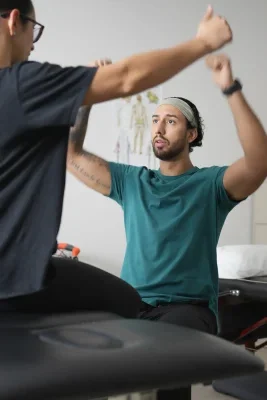
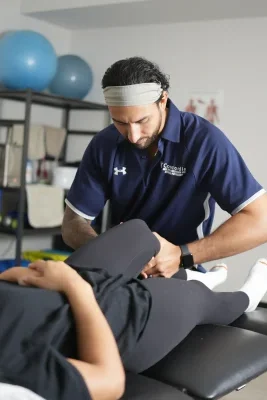


Lumbar
The lumbar spine, forming the lower back, is a pivotal support for the upper body, enabling both stability and flexibility. It’s structured to withstand daily stress but is susceptible to conditions like herniated discs and sciatica, leading to discomfort and restricted movement. To maintain its health, regular back-strengthening exercises, proper lifting techniques, and maintaining good posture are essential. For ongoing issues, a biopsychosocial modal of pain approch with lifestyle adjustments, or sometimes surgical options may be necessary to manage pain and restore function.
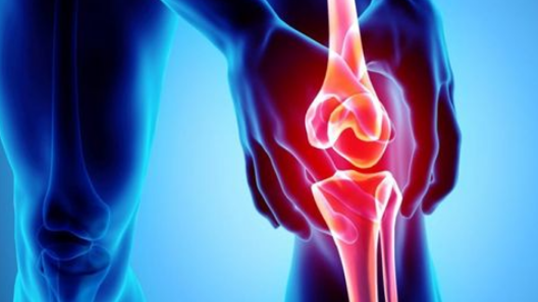
Knee
The knee joint orchestrates our movement, with the femur, tibia, and patella moving in concert, guided by ligaments. Menisci cushion and synovial fluid lubricates, ensuring smooth motion. Muscles and tendons enable flexing and extending, vital for our active lives. Yet, this joint is vulnerable to injury, leading to pain and restricted movement. To safeguard it, we must engage in regular strength training and adopt proper movement techniques. When issues arise, timely athletic therapy or medical intervention is key to maintaining the knee’s dynamic performance.
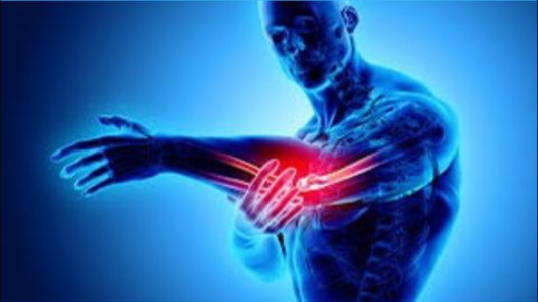
Elbow
The elbow, a complex hinge, enables arm bending and straightening. Comprising the humerus, ulna, and radius, and supported by ligaments, it’s essential for daily tasks. Despite its robustness, it’s prone to strain. Through athletic therapy, we strengthen this joint, ensuring fluid, pain-free movement.
Ankle
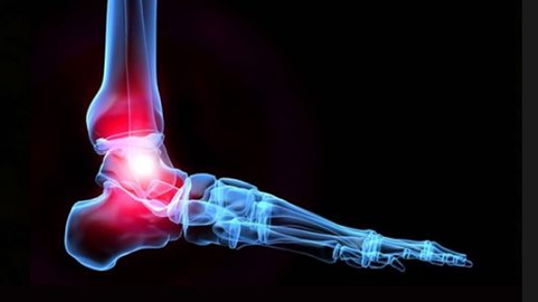
The ankle joint, a pivotal hinge connecting leg and foot, is essential for locomotion. It’s formed by the tibia, fibula, and talus, with articular cartilage smoothing their interactions. Ligaments like the ATFL and PTFL ensure stability, while muscles and tendons, notably the Achilles, drive its movement. This joint’s main actions are dorsiflexion and plantarflexion, critical for walking and balance. Ankle health is maintained through strength and flexibility exercises, proper footwear, and injury prevention strategies. When injuries occur, treatments range from rest and therapy to, occasionally, surgery to restore function.

Hip
The hip joint, a marvel of engineering, connects thigh to torso, enabling the grace of movement essential for daily life. This ball-and-socket joint, cushioned by cartilage and synovial fluid, is anchored by ligaments and powered by a muscular ensemble, allowing for a symphony of actions from strides to swivels. Vigilance against injury is key; from arthritis to fractures, hip health is paramount. Through exercise, weight management, and proper mechanics, we safeguard this pivotal joint, ensuring each step is taken with strength and stability.
Cervical
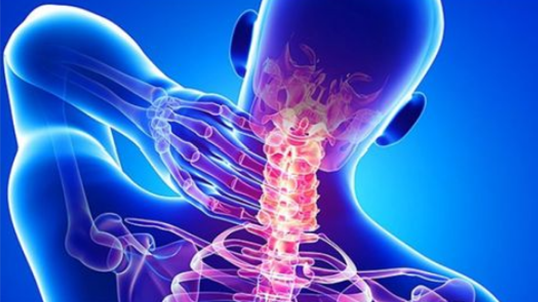
The cervical spine is a pivotal structure, supporting the head and facilitating its range of motion. Comprising seven vertebrae, it’s designed for flexibility but is also vulnerable to injury. My role as a athletic therapist is to fortify this region, blending expertise with targeted exercises to ensure your neck moves smoothly and stays protected.

Wrist
The wrist, a hub of dexterity, enables the hand’s intricate motions. Comprised of carpal bones and the radius, it’s a complex joint where stability meets flexibility. Despite its resilience, it’s prone to strains and injuries like sprains or carpal tunnel syndrome. In my practice, we focus on strengthening and protecting the wrist through targeted exercises, ensuring it remains supple and strong for all of life’s gestures.

Thoracic
The thoracic spine, cradling the mid-back, is a testament to stability, with 12 vertebrae (T1-T12) anchoring the ribcage. Its mobility is modest, a design to safeguard the heart and lungs rather than to twist and bend. As a athletic therapist, I focus on this area’s health, promoting exercises that enhance posture and fortify back muscles, ensuring the thoracic spine fulfills its protective role with resilience.
Shoulder
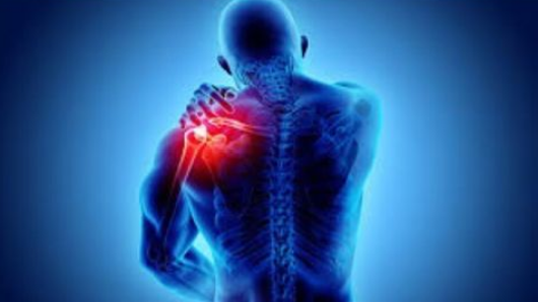
As a athletic therapist, I explain to my clients the intricate design of the shoulder, comparing it to a flexible ball-and-cup toy. With the top of the arm bone as the ball and part of the shoulder blade forming the cup, our shoulders are capable of smooth, multidirectional movement. To maintain this functionality and prevent injuries, I teach my patients simple exercises that strengthen the rotator cuff muscles, acting as rubber bands to keep everything secure. By moving the right way and keeping these muscles in shape, we ensure our shoulders work at their best.
Top Benefits of combining athletic therapy with mma
A MMA fighter who is also a qualified athletic therapist possesses a unique advantage when it comes to assisting you in your healing journey. Their firsthand understanding of the physical demands of MMA, coupled with their expertise in athletic therapy, allows them to provide specialized care that not only addresses injuries but also optimizes performance and recovery. This dual expertise ensures that you receive a comprehensive and tailored approach to rehabilitation, harnessing the fighter’s personal experience to guide you toward a stronger and healthier self.
Comprehensive Rehabilitation
The integration of MMA principles into athletic therapy provides a well-rounded approach to rehabilitation, addressing not only physical injuries but also mental and emotional aspects of recovery.
Prevention and Education
Patients learn proper body mechanics and techniques through MMA education, reducing the risk of future injuries.
Motivation and Engagement
MMA-inspired rehab can be more engaging and motivating for patients, as it adds variety and excitement to the rehabilitation process.
Improved Strength and Conditioning
MMA-inspired exercises and drills enhance strength, endurance, and overall physical fitness, helping patients regain and surpass their pre-injury levels of performance.
Mental Resilience
Incorporating mindfulness and mental training from MMA can help patients develop mental resilience, aiding in pain management and emotional well-being.
Body Awareness
MMA training improves body awareness and proprioception, helping patients better control their movements and reduce the risk of re-injury.